Flexibility, not Sobriety w/ Maggie & Rodolphe Frerejean-Taittinger, French Bloom
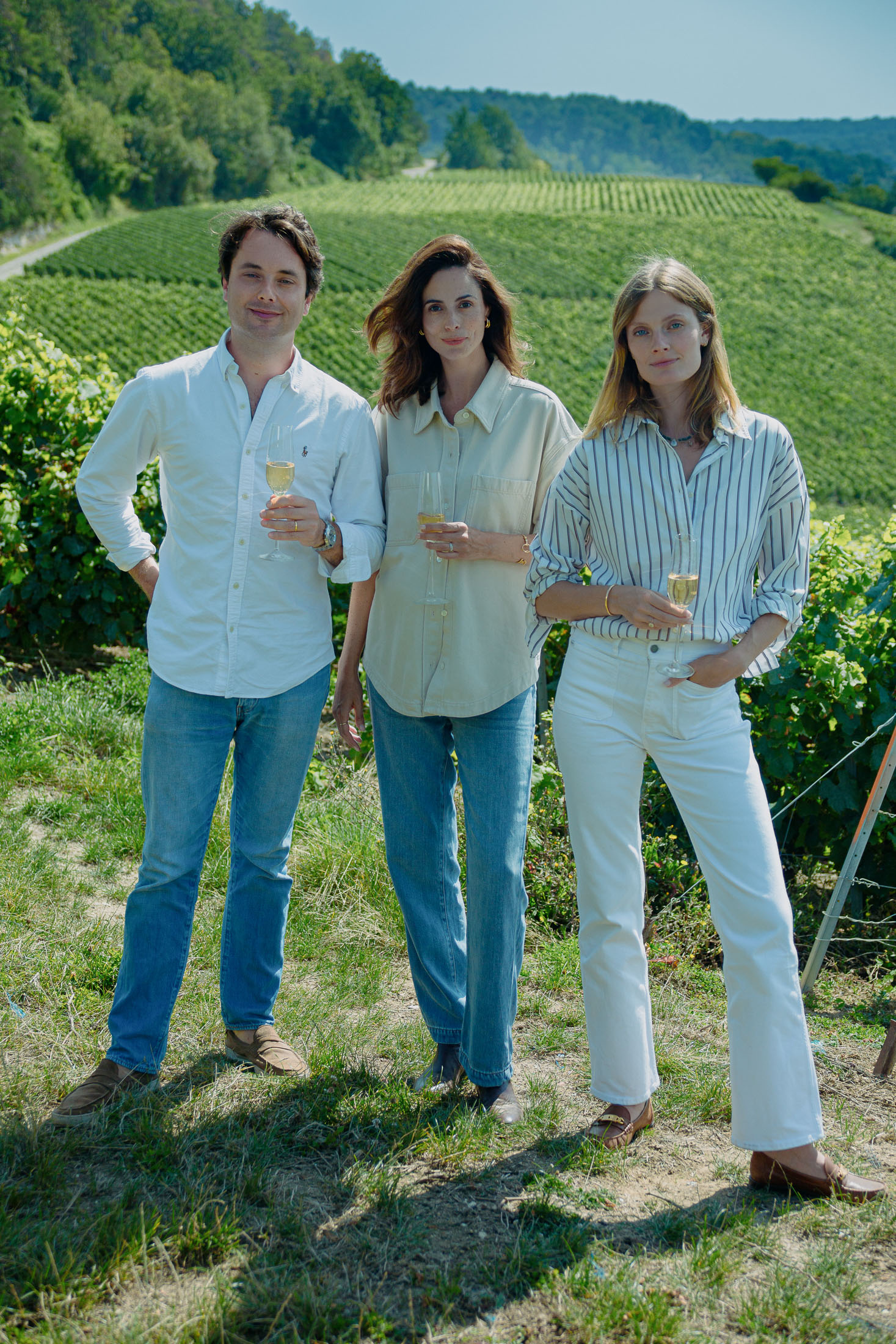


Pairing their need for a complex substitute for wine, for both pregnancy and professional network, Maggie Frerejean-Taittinger and friend Constance Jablonski enlisted Maggie’s husband, Champagne and Cognac winemaker Rodolphe to found French Bloom. With four years of R&D prior to launch and constant refinement since, French Bloom aims to redefine the alcohol free premium sparkling wine space. Maggie & Rodolphe delve into the creation of French Bloom, exploring its core markets, target customers, and the factors that have drawn them in.
Detailed Show Notes:
French Bloom overview
- 500k bottles (2024)
- Created a premium NA sparkling category
- Focused on sparkling to create complexity, can play with layers
- LVMH minority investor
4 years of R&D to get the desired quality
- De-alc process loses 60% aroma (was 90% in 2021), removes the backbone of the wine
- Built NA wine like Cognac, needs an undrinkable base wine
- Focused on the South of France (warmer, higher alcohol and body) for stronger wines, more body, Languedoc (more organic 40% vs 3-4% in Champagne)
- Limoux is the best place for NA sparkling, 300m high, Chardonnay and Pinot Noir, a temple of natural wine
- Base wine is a bit oxidative, very acidified (used to add lemon juice, now naturally from wine), oaky (new oak, foudre), no sulfites, more tannin
- Create blends of different reserve wines
Extra Brut (0% abv, 0 sugar) has a base of 30% reserve wine from 2 years, aged in new oak barrels to give more structure
Better to make adjustments before de-alc vs after
Use voile to protect wine from oxidation (like Jura)
Flash pasteurization is used b/c no abv, sulfites to protect the wine
NA market
- Wine, beer, spirits - $10B (2020), $20B (2025), believes $30B (2030)
- Premium NA sparkling - $0.5B (2025), could double next 5 years
- Holy grail is quality NA still wine, not there yet
- Best distributors are wine / Champagne distributors, Thailand/Belgium have NA-focused distributors
French Bloom customers
- Biggest markets are Champagne markets (France, US #2, UK, Japan, Australia, Belgium, Germany)
- Younger (25-45), skew female, appreciates both alc and NA sparkling wine
Sells 20% DTC globally
2024 NielsenIQ study on NA purchase behavior - #1 driver - for conscious hosting (aligns w/ French Bloom’s ethos of not excluding anybody); #2 health & wellness; #3 driving
Marketing is digital first, leveraging Constance as a tastemaker and key opinion leader
More partnerships - Coachella, French Open, just signed F1 (10-year partnership, 1st ever official NA sparkling wine, Moet Chandon on podium; F1 new fans are 75% female, 50% Gen Z from Netflix series)
Most effective marketing has been the founding story and authentic storytelling (i.e., Maggie’s pregnancy, Constance’s need for moderation while networking)
Marketing through top-tier restaurants, hotels, and shops (e.g., Michelin-starred; became the #1 wine sold at Erewhon in 1 week)
Michelin-starred restaurants have 50% non-drinkers at lunch, 20% at dinner
No sugar, no additives, organic messaging plays well in California, less on the East Coast
Uses the term “alcohol free” vs. “non-alcoholic”
NA trends around NA wine & food pairing, including “moderate pairing” (wine & NA wine/drinks as part of pairing); mirrored cocktails (3 versions ofthe same cocktail - NA, low, full)
Hosted on Acast. See acast.com/privacy for more information.



